Short answer: at the final inspection, the property manager compares the property with the incoming condition report. They check that it's reasonably clean, that there's no damage beyond fair wear and tear, and that all your belongings and rubbish are gone. Kitchens, bathrooms, windows, walls and floors get the closest look.
We clean rental properties across Melbourne every week, and these are the areas that come up again and again.
The condition report is the benchmark
The incoming condition report records the state of every room when you moved in, often with photos. At the end, the property manager walks through with that report in hand. Under Consumer Affairs Victoria's guidance, "reasonably clean" doesn't mean cleaner than the property was at the start. If an oven was stained when you moved in and the report says so, you aren't expected to return it spotless.
Tip: take your own dated photos when you move in and again after the final clean.
Kitchen
Property managers almost always check:
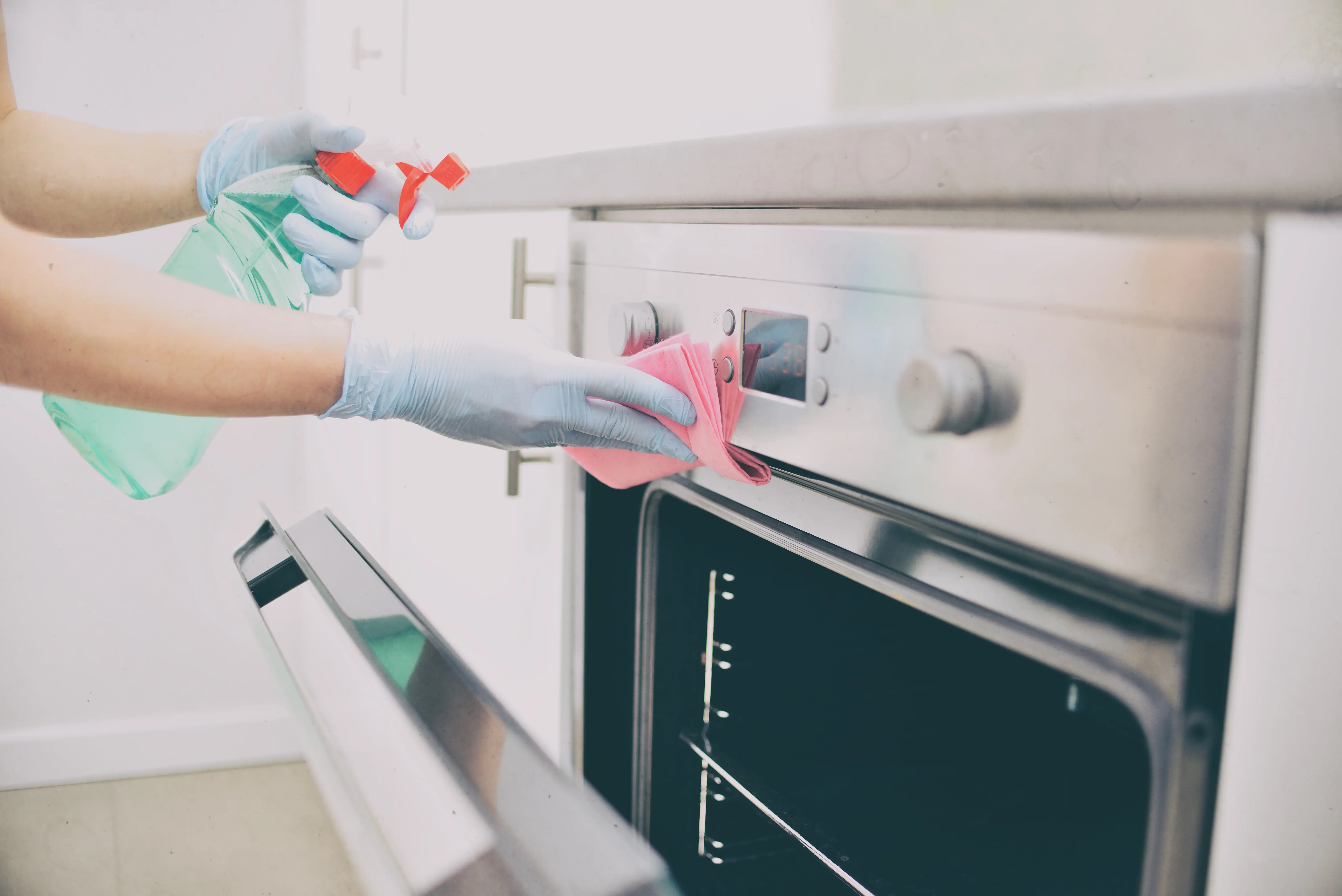
- The oven: racks, door glass and interior free of grease and burnt-on food
- The rangehood and filters: no grease build-up
- Cupboards and drawers: wiped inside, no crumbs or sticky residue
- The dishwasher: filter clean, no food scraps or odours
- Benchtops, splashback and sink: clean and polished
Bathrooms
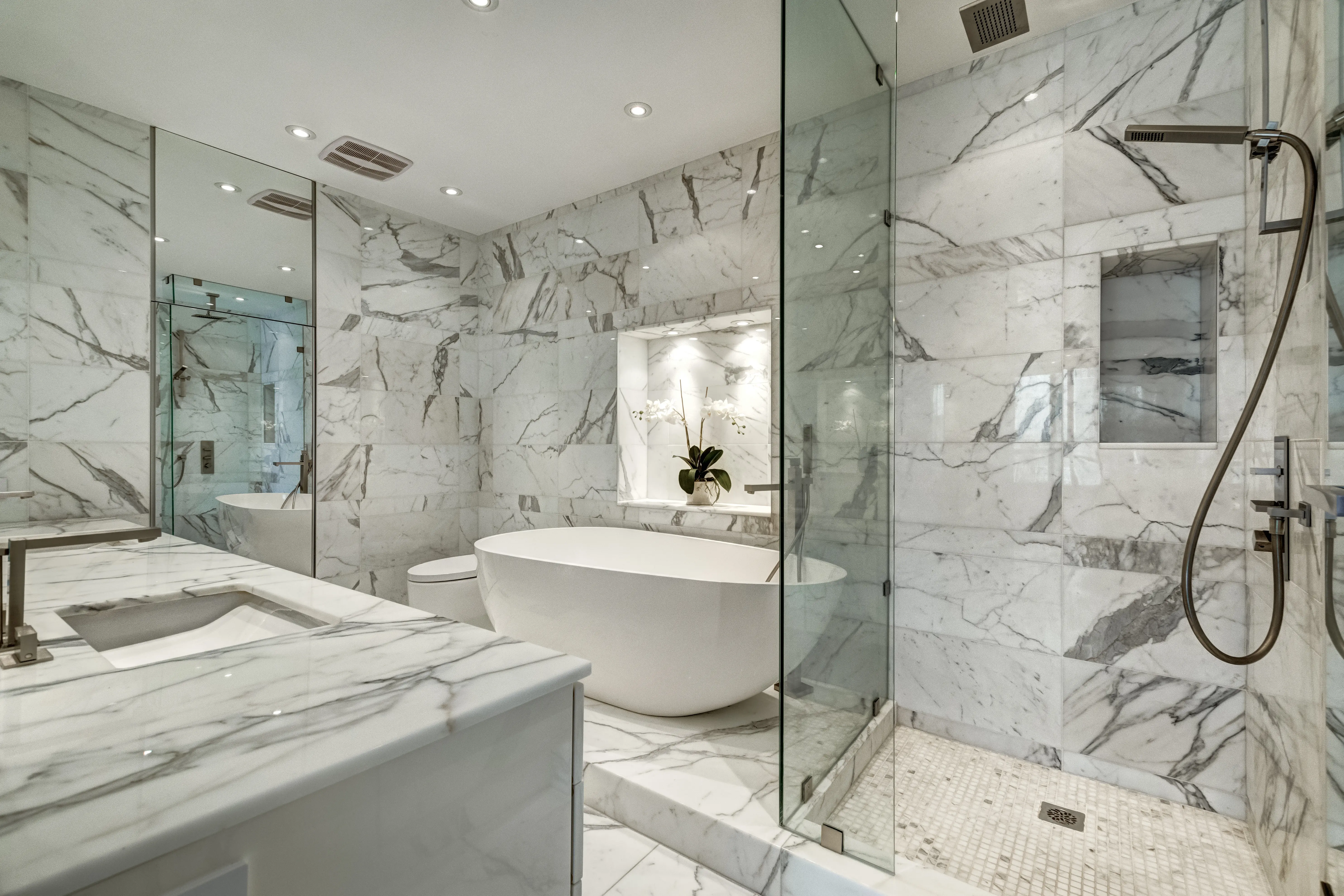
- Shower screens and tiles: no soap scum or water marks
- Grout: no mould caused by the renter
- Toilet: clean inside and out, including the base
- Mirrors and tapware: streak-free
- Exhaust fans: dust removed
Bedrooms and living areas
- Inside windows, sills and tracks
- Skirting boards, doors and frames
- Walls: marks and scuffs cleaned off where possible
- Wardrobes: shelves and tracks clean
- Blinds: dusted
- Floors and carpets: vacuumed and mopped; carpets free of stains, pet hair and strong odours
Outside and other areas
- Balconies, courtyards and garages swept and emptied
- Rubbish bins emptied
- Garden beds weeded, if the garden was your responsibility
- No belongings left behind
Cleaning vs damage vs fair wear and tear
It helps to know the difference:
- Cleaning issues (a greasy oven, a dusty skirting board) can usually be fixed with a re-clean.
- Fair wear and tear is normal deterioration from everyday use, such as faded curtains or carpet worn along a walkway. Renters aren't responsible for it.
- Damage (holes in walls, burns on benchtops) goes beyond normal use and may be deducted from your bond.
If a property manager raises something you think is fair wear and tear, ask them to point to the condition report and their evidence.
How to pass first time
- 1Clean to a checklist, not by eye. Our end of lease cleaning checklist covers every room.
- 2Book your clean after you've moved out and a day or two before the inspection, so there's time to fix anything flagged.
- 3Keep your receipts and photos.
- 4If a cleaner did the work, make sure they offer a re-clean promise.
Our end of lease cleans follow the same items property managers check. If anything on our checklist is raised within 72 hours, we come back and re-clean it free.
Frequently asked questions
Do I need to be present at the final inspection? Not always, but it's a good idea if you can. You can see any issues as they're raised and arrange a re-clean quickly.
What if the property manager finds something after I've moved out? In Victoria, a rental provider who wants to claim part of the bond must tell you, with supporting evidence, before making the claim. See our bond guide for how the process works.
Sources: Consumer Affairs Victoria, Director's Guideline 2 – Cleanliness. General information only, not legal advice.